
Lucianne Walkowicz: Look Up For a Change
Lucianne Walkowicz, a 2011 TEDGlobal Fellow, studies the inscrutable faces of the stars for clues to the inner workings of their hearts. She got her taste for astronomy as an undergrad at Johns Hopkins, testing detectors for the Hubble Space Telescope's new camera (installed in 2002). She also learned to love the dark stellar denizens of our galaxy, the red dwarfs, which became the topic of her PhD dissertation at University of Washington.
In her TEDxPhoenix 11.11.11 TEDxTalk, Lucianne explains the importance of preserving our dark night sky from the perils of light pollution and other lesser-known factors. In Lucianne's eyes, "Our night sky is a natural resource, it's like a park you can visit without ever having to travel there. But like any natural resource, if we don't protect it, if we don't preserve it and treasure it, it will slip away from us and be gone."
Other Videos That May Interest You:
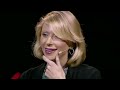
Amy Cuddy: Your Body Language Shapes Who You Are
Body language affects how others see us, but it may also change how we see ourselves. Social psychologist Amy Cuddy shows how power posing can affect testosterone and cortisol levels in the brain, and might even have an impact on our chances for success.
Ron Gutman: The Hidden Power of Smiling
Ron Gutman reviews a raft of studies about smiling, and reveals some surprising results. Did you know your smile can be a predictor of how long you'll live -- and that a simple smile has a measurable effect on your overall well-being? Prepare to flex a few facial muscles as you learn more about this evolutionarily contagious behavior.
Yoga for the Characters of True Blood
In this video Kathryn Budig shows how the characters of True Blood can use yoga to help them cope with the extraordinary challenges in their lives.
Underwater Astonishments
David Gallo shows jaw-dropping footage of amazing sea creatures, including a color-shifting cuttlefish, a perfectly camouflaged octopus, and a Times Square's worth of neon light displays from fish who live in the blackest depths of the ocean.
Award-Winning Teen-Age Science in Action
In 2011 three young women swept the top prizes of the first Google Science Fair. At TEDxWomen Lauren Hodge, Shree Bose and Naomi Shah described their extraordinary projects - and their route to a passion for science.